
Period Property Painters in Cambridge
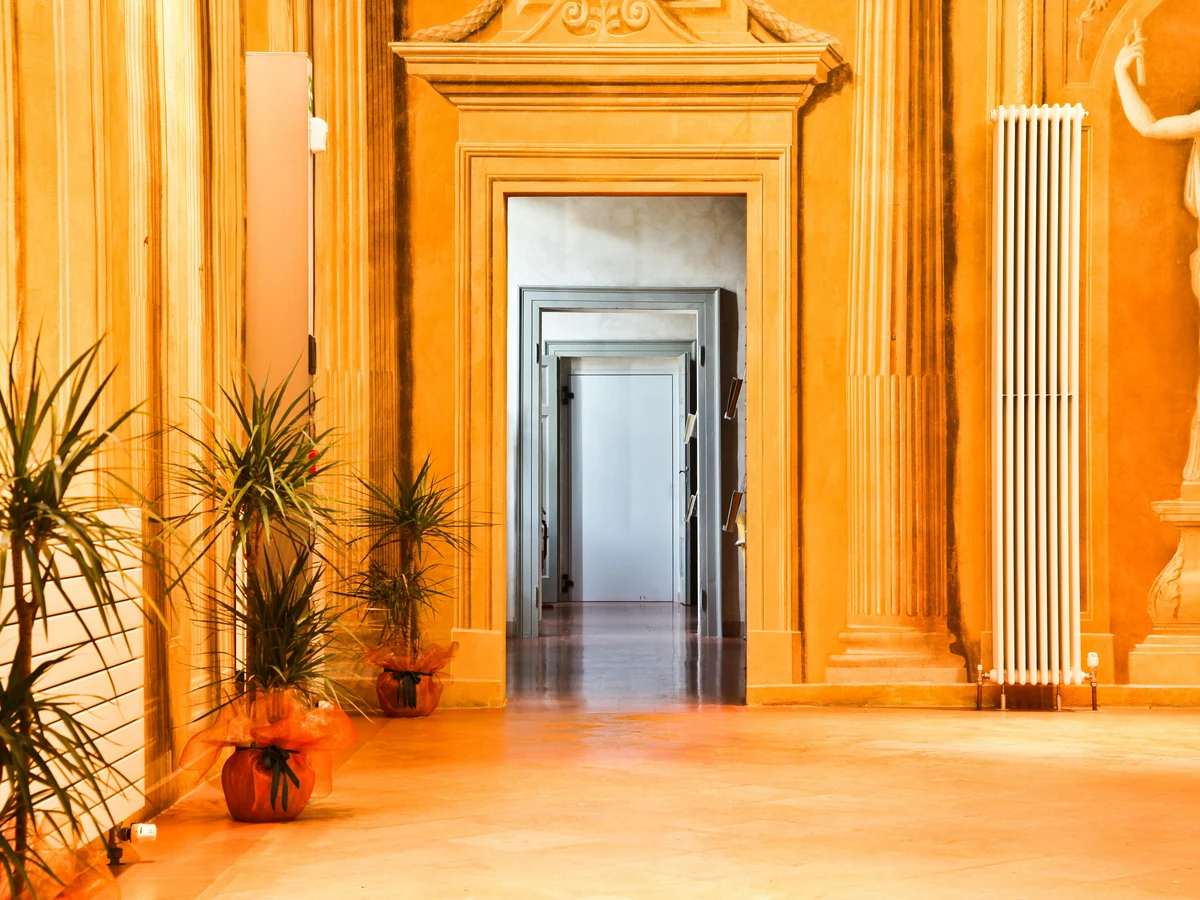
Cambridge Decorators are period property painters in Cambridge, working on Victorian terraces, Edwardian villas, and listed buildings across the city and surrounding conservation areas.
- Lime plaster walls: proper preparation, breathable paints, no moisture trapping
- Original joinery: sash windows, panelled doors, picture rails, skirtings
- Cornicing and ceiling roses: hand-painting, caulk-free restoration technique
- Listed building work: working within conservation area requirements
- Sash window restoration and decoration: draught sealing, correct paint systems
Cambridge has an unusually high concentration of pre-1914 housing. Newnham villas on Grantchester Road, Victorian terraces on Perne Road and Colville Road in Romsey, and Edwardian semis on De Freville Avenue in Chesterton. These homes require softer preparation techniques, breathable products, and the patience to work around original features.
Call 01223 912776 for a free quote.
Why Choose Cambridge Decorators
Heritage Craftsmen
Lime plaster, original joinery, and period features treated properly.
Clear Pricing
Fixed price from the first quote with no unexpected additions.
Fully Insured
Your decorator carries full public liability cover on every job.
Highly Recommended
Most work comes from repeat clients and referrals.
Get My Free Quote
Speak to a period property specialist today
Period Property Painting Services
Lime Plaster Walls
Victorian and Edwardian homes in Cambridge were built with lime plaster, not modern gypsum board. Lime plaster is flexible, breathable, and moves slightly with the building — it requires a different decorating approach.
Modern vinyl and plastic-based paints trap moisture vapour inside lime plaster walls. Over time this causes blistering, staining, and plaster failure. Breathable mineral or clay-based paints are used on lime plaster where moisture movement is active.
Surface preparation on lime plaster requires care. Heavy sanding or power-sanding can break down the set. Fine-grit hand-sanding is used, loose areas are washed and stabilised, and lime-based filler is used rather than modern synthetic compounds.
Original Joinery
Victorian and Edwardian joinery in Cambridge homes covers skirtings, architraves, picture rails, dado rails, and window boards. This is typically old-growth timber — harder, tighter grained, and more durable than modern softwood, but also more likely to carry layers of old paint from previous decades.
Paint build-up on mouldings is checked before preparation. Where multiple coats have obscured the profile, timber is stripped back rather than painting over and losing the detail. Cambridge buyers who have invested in a period property in Newnham or Romsey notice when original features are restored properly.
Bare timber is primed with oil-based primer, undercoat is applied, and the finish is satinwood or eggshell to period-appropriate sheen levels. Gloss is available where the owner prefers it.
Sash Windows
Sash windows are the defining feature of Cambridge’s Victorian and Edwardian stock. They require careful preparation: the cords, weights, and pulleys must remain functional after painting, and the meeting rails must close cleanly.
Sash windows are painted in sections while the window is closed, allowing each section to cure before moving the sash. The sashes are never painted in the wrong order.
Where draught sealing is required alongside painting, pile seals are fitted to the meeting rails before the final coat. This is standard practice on Cambridge’s period terraces, which lose significant heat through rattling sash windows.
Cornicing, Ceiling Roses & Listed Buildings
Cornicing and Ceiling Roses
Lime plaster cornicing and ceiling roses in Cambridge’s Victorian and Edwardian homes are fragile. Heavy-handed preparation or filler application can crack or detach sections that are no longer keyed securely to the ceiling.
Cornicing is painted with a fine brush, cutting in between the ceiling and coving without bridging the joint with paint. Caulking the cornice-to-ceiling joint is not appropriate on period properties — lime plaster moves seasonally and a caulk joint will crack within a year.
Ceiling roses are painted in sections: the background field first, then the raised relief by brush, working from the centre outwards.
Listed Building Considerations
Cambridge has a significant number of Grade II listed properties, particularly around the college boundaries and within conservation areas in Newnham and Chesterton. Listed status affects what work is permitted on the exterior and sometimes the interior.
Your decorator understands what typically requires listed building consent and what falls within permitted development. External colour changes on a listed property require approval in most cases. We advise owners at survey stage if any proposed work is likely to need pre-authorisation before we proceed.
For listed buildings, we always specify breathable coatings and reversible products. Lime-based paints and mineral finishes satisfy conservation officer requirements in most Cambridge cases.
How Period Property Painting Works
1. Survey
Your decorator visits and assesses the plaster type, joinery condition, paints history, and any areas of active movement or damp. Listed building status is confirmed and flagged.
2. Preparation
Lime plaster is stabilised and filled with compatible materials. Joinery is stripped back where paint build-up has obscured detail. Sash windows are freed if painted shut.
3. Product Specification
We select paints appropriate to the surface: breathable mineral or clay paints for lime plaster walls, oil-based primer and satinwood for joinery, specialist coatings for any damp-prone areas.
4. Application
Two finish coats are applied, with appropriate drying time. Cornicing, ceiling roses, and detailed mouldings are done by hand throughout.
5. Inspection
We check all work in raking light. Sash windows are tested for free movement. Cornicing and ceiling lines are reviewed up close. Touch-ups are completed before we leave.
Period Property Painting Costs in Cambridge
Prices below are estimates. Call 01223 912776 for a precise quote.
A full interior repaint of a three-bedroom Victorian terrace in Romsey or Cherry Hinton typically runs between £2,800 and £4,500, including preparation, joinery, walls, and ceilings. Properties with extensive cornicing or multiple rooms of original features sit at the higher end.
Plaster Condition
Lime plaster in need of stabilisation and repair adds preparation time. Sound plaster just needs cleaning and a fine sand.
Joinery Scope
Homes with picture rails, dado rails, original skirtings, and multiple sash windows have far more linear footage of joinery than modern equivalents.
Listed Status
Specification of breathable and conservation-compliant products adds material cost. There is no shortcut that satisfies a conservation officer and remains durable.
For interior period work, see our interior painting page. For exterior surfaces, see our exterior painting page. For a full overview, visit our house painting page.
Get My Free Quote
Get a free quote for your period property
Period Property Painting FAQs
Get My Free Quote
Fill in the form below for a free quote: